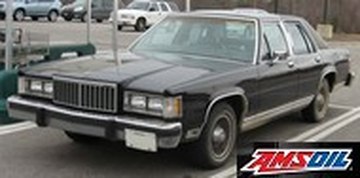
Lubrication Maintenance for the 1982 Mercury MARQUIS 5.0L
Maintaining a vehicle from the early 1980s requires a shift in perspective toward consistent monitoring and proactive inspection. For the 1982 Mercury MARQUIS equipped with the 5.0L engine, routine lubrication service is a cornerstone of long-term mechanical health. Because older engines often operate under different thermal and mechanical stresses than modern counterparts, understanding how to manage fluid integrity and identify early signs of wear is essential for any owner.
Monitoring Fluid Integrity and Potential Leaks
One of the most effective ways to monitor the health of a 5.0L engine is through regular visual inspections of the engine bay and undercarriage. Over time, various components can experience changes in their ability to retain fluids. When performing routine checks, look for signs of seepage or active leaks around sealing surfaces. It is helpful to inspect the area where the engine meets the transmission and around the lower portions of the engine block.
If you notice dark staining on the underside of the vehicle or a damp appearance on various gaskets and seals, these should be investigated. While some level of minor seepage can occur as vehicles age, an increase in fluid loss can lead to significant issues if left unaddressed. Additionally, checking the color and consistency of the engine oil during a dipstick inspection can provide clues about the engine's internal state. Oil that appears excessively dark, gritty, or contains visible particulates warrants closer attention than clean, flowing lubricant.
Observing Changes in Engine Operation
Beyond visual inspections, an owner should remain attentive to how the vehicle behaves during operation. Changes in performance or sound can often be early indicators of lubrication-related concerns. For example, if you notice unusual mechanical noises that were not previously present, it may indicate that the lubrication system is not performing as expected under certain loads or temperatures.
It is also important to monitor for any changes in exhaust characteristics. While many factors can influence exhaust appearance, certain observations might suggest that oil is entering the combustion process. Furthermore, if you notice a sudden increase in the frequency of fluid top-offs, this is a clear signal that the engine's consumption levels have changed and requires a thorough inspection to determine the cause. Always remember that symptoms like unusual odors or sounds can be associated with multiple different mechanical issues; therefore, they should be treated as prompts for professional diagnosis rather than definitive proof of a single component failure.
Managing Maintenance Records and Baselines
For an owner of a 1982 Mercury MARQUIS, establishing a maintenance baseline is one of the most practical steps toward effective long-term ownership. If you have recently acquired the vehicle and do not have access to its full service history, your first priority should be to document its current condition. This involves recording the current mileage, the type of lubricants currently in use, and any recent repairs or part replacements.
Keeping a detailed log of every oil change, filter replacement, and fluid service allows you to identify patterns over time. For instance, if you notice that the engine requires more frequent oil replenishment than it did six months ago, your records will provide the necessary context to help a technician diagnose the trend. A well-maintained history helps distinguish between normal age-related changes and unexpected mechanical shifts, allowing for more informed decision-making regarding repairs and preventive maintenance.
Inspecting Aging Engine Components
As vehicles reach higher ages, certain peripheral components require more frequent scrutiny. While focusing on the engine's lubrication is vital, the systems surrounding it also play a role in overall engine health. If equipped, inspect accessible drive belts for signs of deterioration such as cracking, glazing, or fraying. Similarly, if present, check various hoses for any evidence of softening, swelling, or brittleness.
Electrical connections and wiring harnesses should also be inspected for signs of corrosion or heat-related damage, as these can affect the efficiency of various engine systems. Even if a component appears to be functioning correctly, an annual inspection of these age-sensitive items can prevent unexpected failures. The goal is to move from reactive repairs to a strategy of condition-based monitoring, where you address potential issues before they escalate into significant mechanical problems.
Prioritizing Service Tasks Based on Condition
Effective maintenance for the 1982 Mercury MARQUIS involves distinguishing between necessary preventive care and unnecessary component replacement. Rather than following a rigid schedule based solely on the age of the vehicle, it is often more effective to prioritize tasks based on the actual condition of the engine and its components. If you observe an active leak or a change in fluid quality, these should be addressed before moving on to other routine tasks.
When reviewing your maintenance needs, start with the most critical items: ensuring proper lubrication levels, maintaining cooling system integrity, and verifying that all electrical connections are secure. By addressing active warning signs first, you ensure that the engine's core functions remain stable. This approach allows for a more efficient use of resources, focusing time and effort where it will provide the greatest benefit to the vehicle's continued operation.
Practical Advice for BUYING ENGINE OIL for your 1982 Mercury MARQUIS 5.0L
When you are ready to replenish your engine's lubricant, the most important step is to ensure that the product you select matches the specific requirements of your application. Do not rely on general knowledge or assumptions based on the vehicle's age to choose a grade. Instead, match the engine oil to the application-specific viscosity information already displayed on this webpage.
As you shop, consider the following practical steps:
- Verify Product Labels: Always check the container to ensure the SAE viscosity matches what is listed in your vehicle's documentation.
- Evaluate Formulations: Depending on your engine's current condition and mileage, you may choose between conventional oil, synthetic blends, or full synthetic options. Some high-mileage oil formulations contain additives intended for use in aging engines, including seal-conditioning additives that may be beneficial for older seals.
- Check Certifications: Ensure the oil meets the appropriate API service classifications to provide the necessary level of protection and deposit control.
- Avoid Assumptions: Do not assume a specific oil type is "better" simply because it is more expensive; ensure it is the correct match for the 5.0L engine as specified in your application information.